
Pineapples are in season now and you may wonder how to use fresh instead of canned. Yes, you can swap fresh and canned pineapple in most recipes. But there are a few things to keep in mind when you’re cooking with fresh pineapple instead of canned (or vice versa).
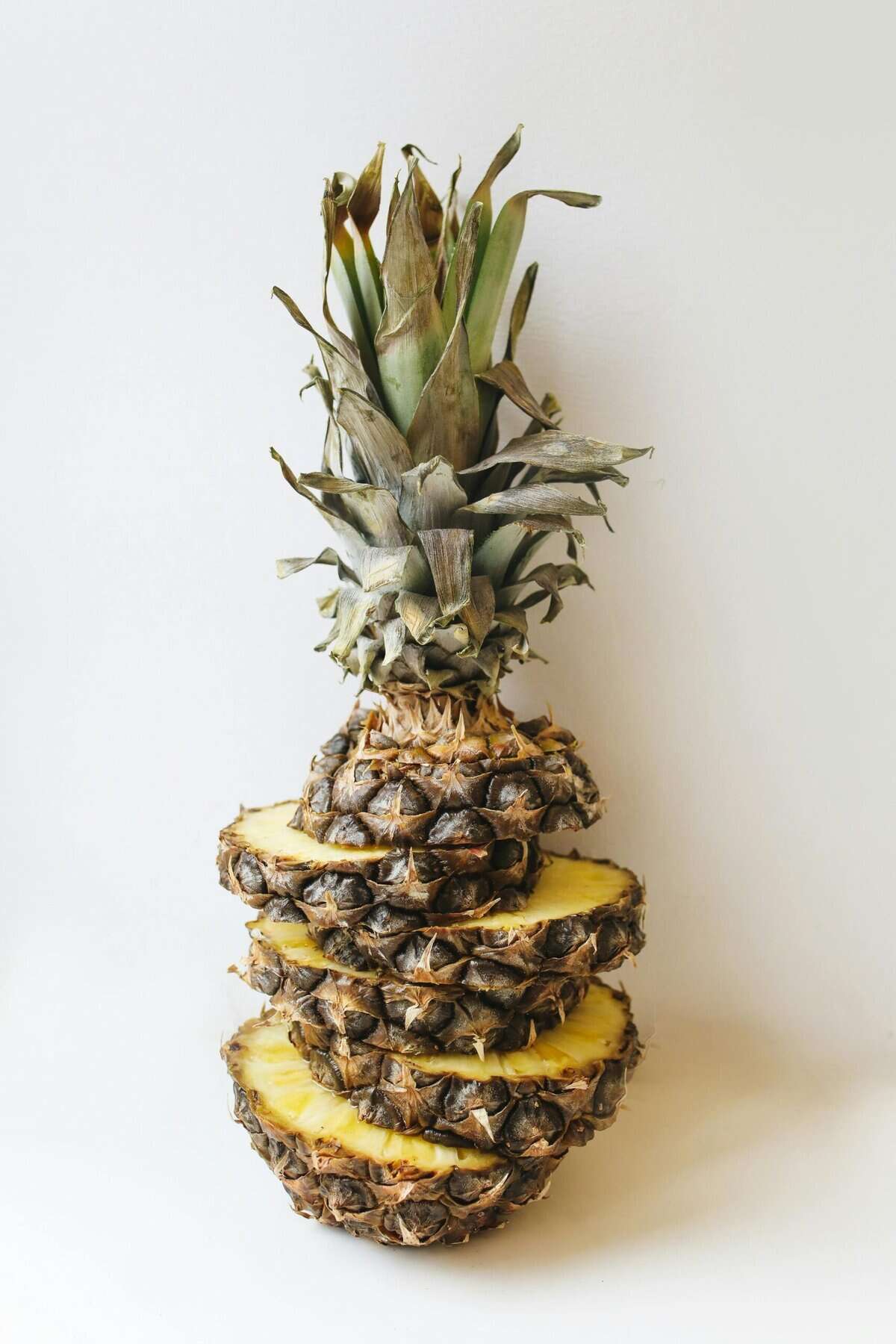
🍍The Difference Between Fresh and Canned Pineapple
- Canned Pineapple: Typically packed in syrup or juice, canned pineapple is already sweetened and soft. It’s great for baking, smoothies, or savory dishes where you want a consistent texture and sweetness. The canning process also softens the fruit, so it works well in recipes where you need it to blend into sauces or fillings.
- Fresh Pineapple: Fresh pineapple has a firmer texture and a more tangy, less sweet flavor compared to its canned counterpart. When you use fresh pineapple, you’re getting a more vibrant, slightly tart fruit that adds a refreshing contrast to recipes. Fresh pineapple also holds up better in savory dishes where you want more texture.
Wondering what to make with pineapple, give this slow cooker pineapple chicken a try.
Things to Keep in Mind When Swapping Fresh for Canned Pineapple:
- Sweetness
Canned pineapple is often packed in syrup, making it much sweeter than fresh pineapple. If you’re swapping fresh for canned in a recipe that calls for canned pineapple in syrup, you may need to adjust the sweetness. Add a little sugar or honey to your recipe to match the sweetness level of canned pineapple. If using canned pineapple in juice, the sweetness difference is less, but it’s still worth checking. Tip: Taste your dish as you go, and add sweetener little by little to avoid over-sweetening. - Texture Differences
Since canned pineapple is softer (due to the canning process), it won’t hold its shape as well when cooked, especially in dishes like cakes or jams. Fresh pineapple, on the other hand, is firmer and will maintain more of its texture in the final dish. Adjustment: If you’re baking, chop the fresh pineapple into smaller, bite-sized pieces or consider sautéing or grilling it first to soften it slightly. This helps mimic the texture of canned pineapple. - Moisture Content
Canned pineapple comes packed with extra liquid from the syrup or juice. Fresh pineapple is juicier than you’d think, but it still has less moisture compared to canned pineapple. If you’re using fresh pineapple and the recipe calls for canned, consider draining excess liquid from the fresh pineapple before using it, especially in baking recipes. Adjustment: You may need to add a bit more liquid to your dish (like a splash of pineapple juice or water) to compensate for the difference in moisture. - Flavor Differences
Fresh pineapple has a slightly tangier, brighter flavor compared to the syrupy sweetness of canned. If you’re looking for that specific canned-pineapple flavor, fresh might not be an exact match, but it will still bring a lovely, tropical edge to your recipe. Adjustment: You can add a squeeze of lemon or lime juice to fresh pineapple to enhance its tang and bring it closer to that canned pineapple taste. - Cooking Time
Since fresh pineapple holds more structure and isn’t as soft as canned, cooking times might need adjustment. When using fresh pineapple in a cooked dish, like a sauce or dessert, be mindful that it might need a little more time to break down and soften, especially if it’s being incorporated into a thick sauce or stew.
How to Use Fresh Pineapple in Recipes That Call for Canned Pineapple
Here’s a quick checklist for swapping fresh pineapple into recipes where you might usually use canned:
- Drain fresh pineapple to remove excess liquid (you can save the juice for smoothies or cocktails).
- Adjust sweetness by adding sugar, honey, or a touch of maple syrup to your dish if it’s not as sweet as canned pineapple.
- Cut the pineapple into smaller pieces (especially if using it in baking or as a topping).
- Cook the fresh pineapple longer in sauces or savory dishes to ensure it softens up, as it’s firmer than canned.
- Balance the acidity with a little citrus juice if you’re missing the tanginess of canned pineapple.
When to Use Canned Pineapple Instead of Fresh
In some cases, canned pineapple can be a better choice than fresh, especially when you’re short on time, or when you’re making dishes that rely on pineapple’s syrupy sweetness. Examples include:
- Baking (cakes, muffins, and pineapple upside-down cakes)
- Smoothies (where the extra juice adds a great texture)
- Salsas and sauces (when you want a smoother, sweeter base)
In these cases, fresh pineapple might not provide the same easy consistency, so canned pineapple will save you a step.
How to Store Fresh and Canned Pineapple
Fresh pineapple: Once cut, store fresh pineapple in an airtight container in the refrigerator for up to 4–5 days. You can also freeze chopped pineapple for smoothies or cooking.
Canned pineapple: Unopened cans can be stored in the pantry for months. After opening, transfer leftovers to a covered container and refrigerate for up to 5 days.
Fresh and canned pineapple are interchangeable in many recipes, but you’ll need to adjust for sweetness, moisture, and texture. If you’re cooking for one, fresh pineapple may be the better choice for a lighter, more vibrant dish, while canned can offer convenience and that syrupy sweetness in baking or sauces. Taste as you go, and your dish will turn out just right!
Get new recipes by email
Subscribe to get new posts delivered to your inbox.