
Making quiche for one is much easier once you know the basic custard ratio. You do not need to make a full-size quiche or guess how many eggs to use. A simple one-egg or two-egg custard is enough for a small quiche, mini tart, ramekin quiche, or crustless baked egg dish.
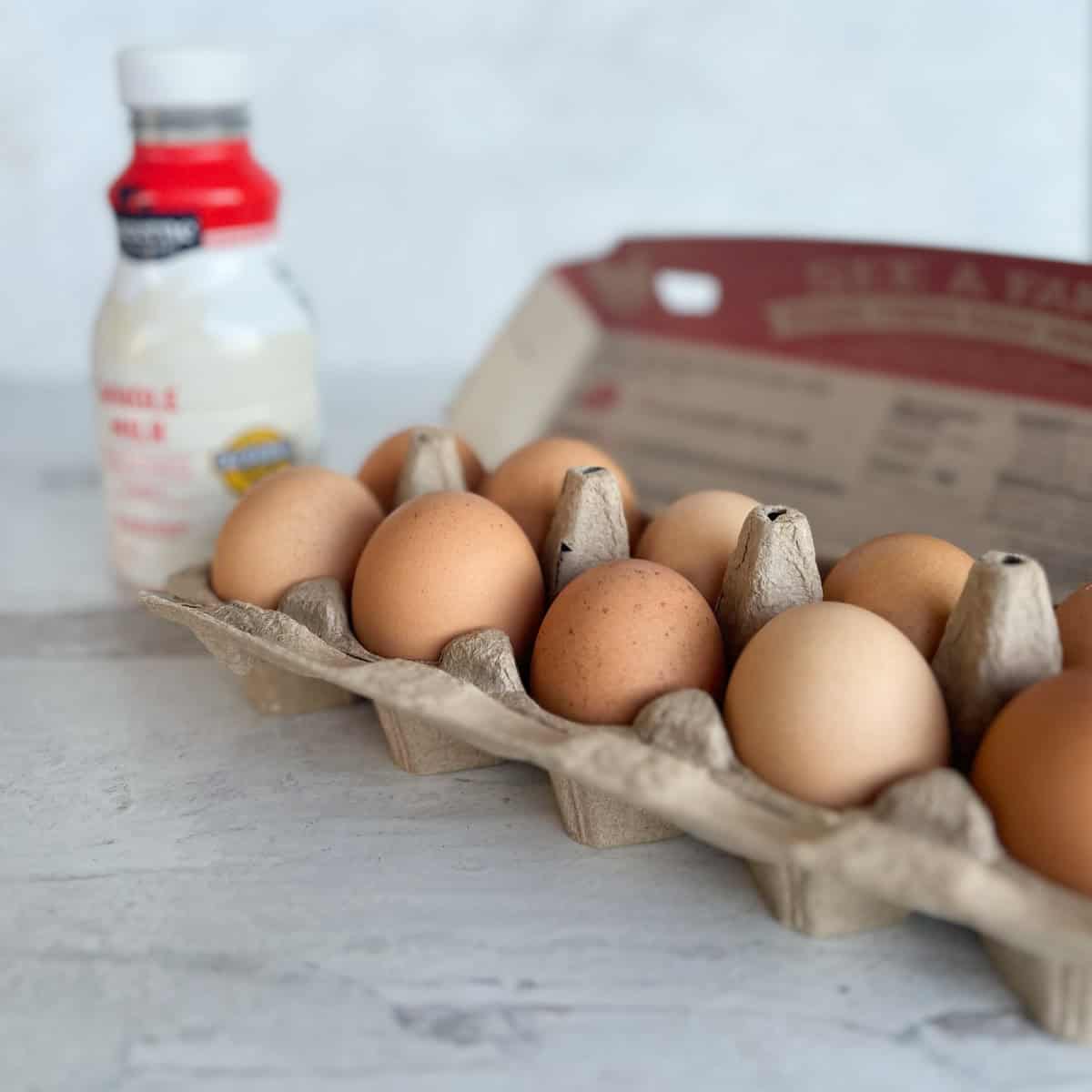
The basic quiche custard ratio is:
1 large egg + ½ cup dairy
That small formula gives you a tender, creamy custard that sets without turning rubbery. From there, you can scale up or down depending on the size of your pan and how many servings you want.
Why the Custard Ratio Matters
A good quiche should be creamy, softly set, and sliceable. When the ratio is off, the texture changes quickly.
Too much dairy can make the filling loose or watery. Too many eggs can make the quiche firm, dry, or rubbery. For a small quiche, this matters even more because there is less room for error.
When you are cooking for one, the goal is not just a smaller quiche. The goal is a quiche that fits the pan you are using, bakes evenly, and does not leave you with extra custard you have to figure out what to do with.
Basic Quiche Custard for One
For a single-serving quiche, start with this simple custard:
- 1 large egg
- ½ cup half-and-half, milk, or cream
- Pinch of salt
- Pinch of black pepper
- Optional pinch of nutmeg
Whisk the egg and dairy together until fully combined, then season lightly. This amount works well for a small ramekin, a 4-inch tart pan, or a small crustless quiche, depending on how much filling you add.
If you are adding cheese, cooked vegetables, bacon, ham, or herbs, use a light hand. A small quiche fills up quickly, and too many add-ins can crowd out the custard.
Two-Egg Quiche Custard
For a slightly larger mini quiche or two small servings, use:
- 2 large eggs
- 1 cup dairy
- ¼ teaspoon salt
- Black pepper to taste
- Optional pinch of nutmeg
This is a good amount for a 6-inch tart pan, a small pie dish, or a small baking dish. It can serve one hungry person with leftovers or two lighter portions.
Small Pan Quiche Custard Guide
Use this as a starting point and adjust slightly based on the depth of your pan and how many add-ins you are using. Read more about choosing the right size and style pan for your quiche.
| Pan or Dish Size | Eggs | Dairy |
|---|---|---|
| 4-inch tart pan or small ramekin | 1 egg | ½ cup |
| 5-inch pie dish | 1 to 2 eggs | ½ to ¾ cup |
| 6-inch tart pan or small pie dish | 2 eggs | 1 cup |
| Small 5×7-inch baking dish | 2 to 3 eggs | 1 to 1½ cups |
A shallow dish will need less custard than a deep dish. If your pan is already filled with vegetables, cheese, or meat, pour in the custard slowly and stop before it reaches the very top.
Best Dairy for Small Quiche
Half-and-half is my favorite choice for a small quiche because it gives the custard a creamy texture without being too rich.
You can also use:
Whole milk: Lighter and softer, but still works well.
Heavy cream: Richer and firmer, best when you want a more decadent quiche.
2% milk: Works for a lighter quiche, though the texture may be a little less creamy.
A mix of milk and cream: A good option when you only have a little of each in the refrigerator.
For cooking for one, I like flexible recipes that use what is already open. If you have a splash of cream and some milk, combine them. As long as you stay close to the egg-to-dairy ratio, the custard should set.
How Much Filling to Add
- For a one-egg quiche, use about ¼ to ⅓ cup total add-ins.
- For a two-egg quiche, use about ½ to ¾ cup total add-ins.
Good small-batch add-ins include:
- Cooked spinach
- Sautéed mushrooms
- Chopped ham
- Cooked bacon
- Caramelized onion
- Roasted vegetables
- Grated cheese
- Fresh herbs
Watery vegetables should be cooked first. Mushrooms, spinach, zucchini, onions, and frozen vegetables can release moisture as they bake. Cooking and draining them first helps keep the quiche from turning watery.
Crust or Crustless?
This same custard works for both crusted and crustless quiche.
For a crusted mini quiche, place your filling in the baked or partially baked crust, then pour the custard over the top.
For a crustless quiche, lightly grease the ramekin or small baking dish before adding the filling and custard.
A crustless quiche is especially practical when cooking for one because there is no pie dough to roll out and no extra crust to store. It also works well for breakfast, lunch, or a light dinner with a simple salad.
How to Tell When a Small Quiche Is Done
Small quiches bake faster than full-size quiche, so start checking early.
The quiche is done when the edges are set and the center still has a slight jiggle. It should not look wet or sloshy, but it should not be completely firm in the middle either. The custard will continue to set as it rests.
Let the quiche rest for 5 to 10 minutes before eating. This helps the custard finish setting and makes the texture smoother.
Common Small Quiche Mistakes
Using too much dairy: The custard may stay loose and not set properly.
Overfilling the pan: The quiche can overflow or bake unevenly.
Adding wet vegetables: Extra moisture can make the quiche watery.
Overbaking: The custard can turn rubbery or weep.
Skipping the rest time: A hot quiche may look too soft at first but firms up after a few minutes.
Recipe Notes
For the creamiest texture, use half-and-half or a mix of milk and cream.
If you are using salty ingredients like bacon, ham, feta, or Parmesan, use a little less salt in the custard.
A pinch of nutmeg is optional, but it works especially well with spinach, mushrooms, Swiss cheese, and Gruyere.
For a small quiche, chop fillings into small pieces so every bite has a little of everything.
If you have a tablespoon or two of leftover custard, pour it into a buttered ramekin and bake it alongside the quiche for a tiny crustless bite.
Frequently Asked Questions
Can I make quiche with just one egg?
Yes. One large egg mixed with ½ cup dairy makes enough custard for a small ramekin, 4-inch tart pan, or small crustless quiche.
What is the best dairy for quiche for one?
Half-and-half is a good all-purpose choice because it gives the quiche a creamy texture without making it too heavy. Whole milk, cream, or a mix of milk and cream also work.
Why is my mini quiche watery?
The most common reasons are too much dairy, watery vegetables, or not baking the quiche long enough. Cook and drain vegetables before adding them, and bake until the edges are set and the center has only a slight jiggle.
Can I make the custard ahead of time?
Yes. You can whisk the eggs, dairy, and seasonings together a few hours ahead and refrigerate until ready to use. Whisk again before pouring it into the pan.
Final Tip
Once you know the basic quiche custard ratio, making quiche for one becomes much easier. Start with 1 egg and ½ cup dairy for a single serving, or 2 eggs and 1 cup dairy for a larger mini quiche. Add a small amount of cooked filling, choose the right pan, and bake until just set.